
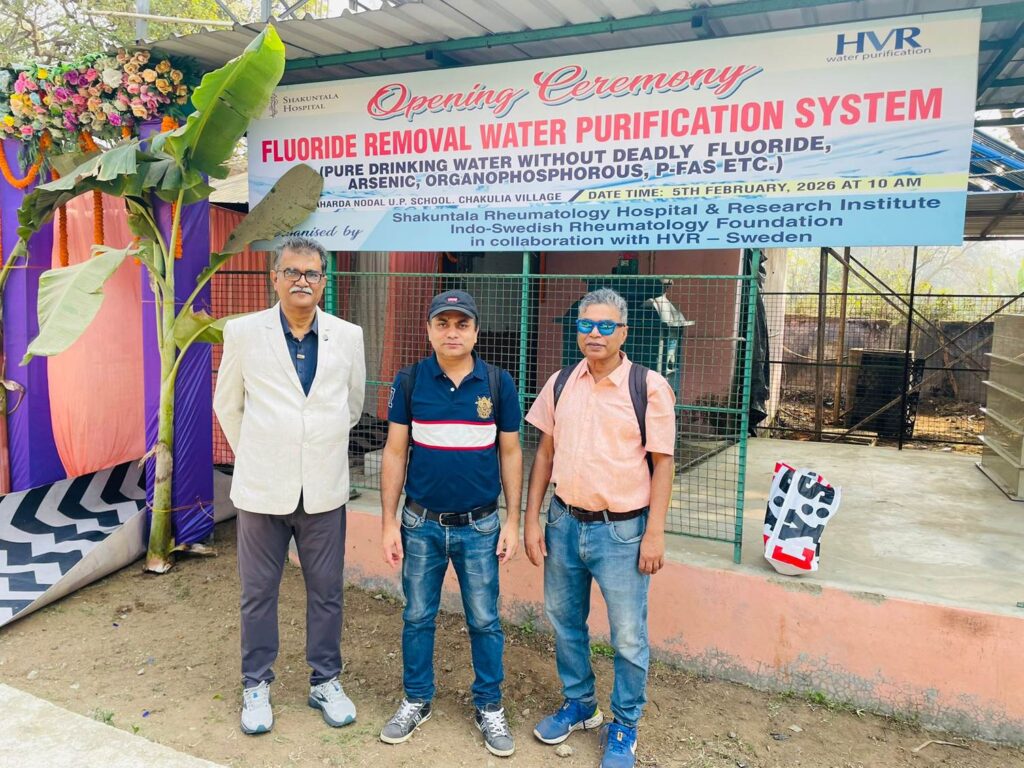
HVR Water Purification AB is pleased to announce the formal inauguration of our fluoride-free, safe drinking water project in Balasore, Odisha, hosted at Baharda Nodal School, on February 5, 2026. This milestone reinforces the strategic value of our long-running field validation program and strengthens our roadmap toward scalable, repeatable deployments.
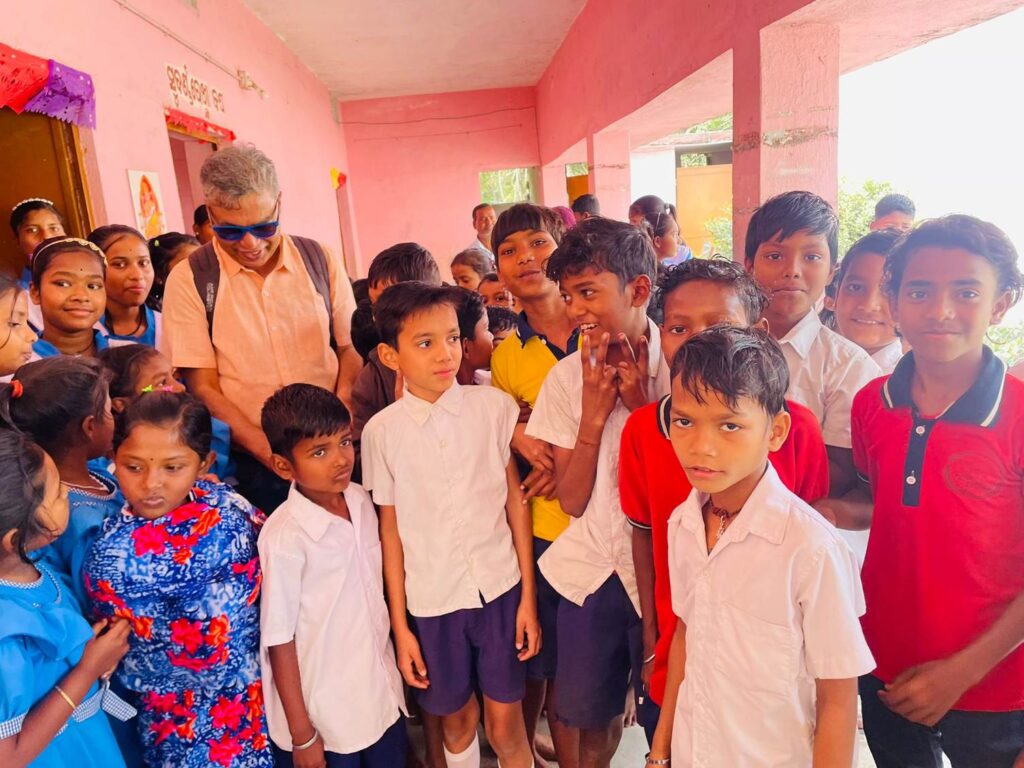
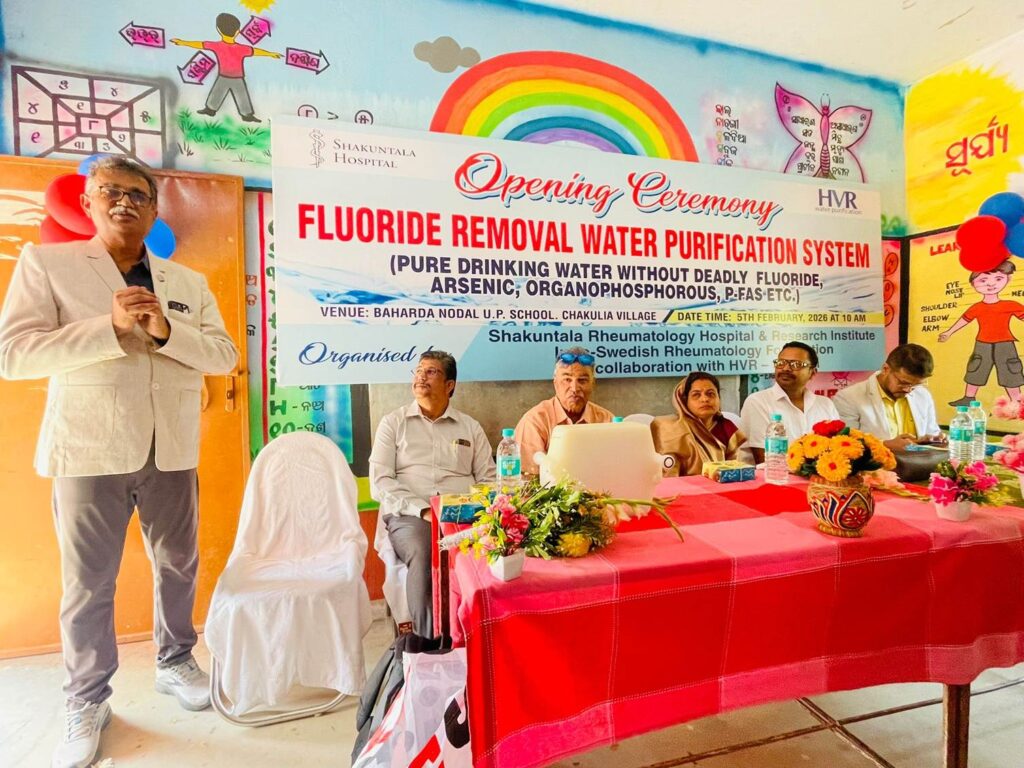
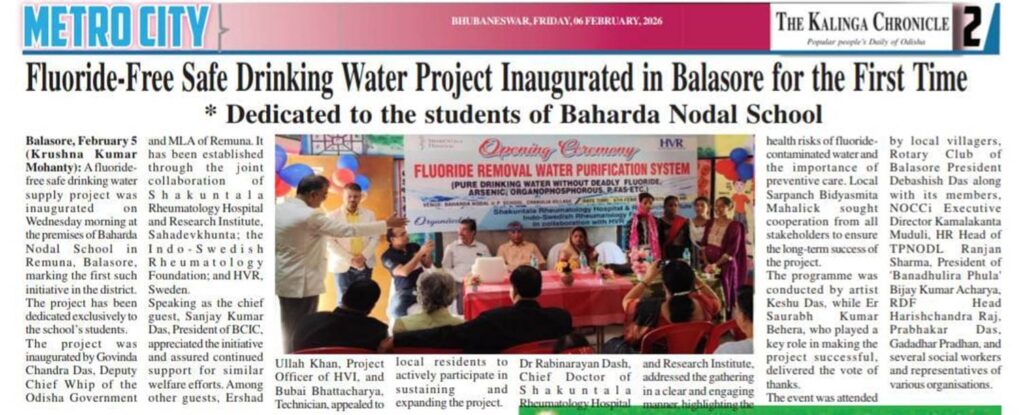
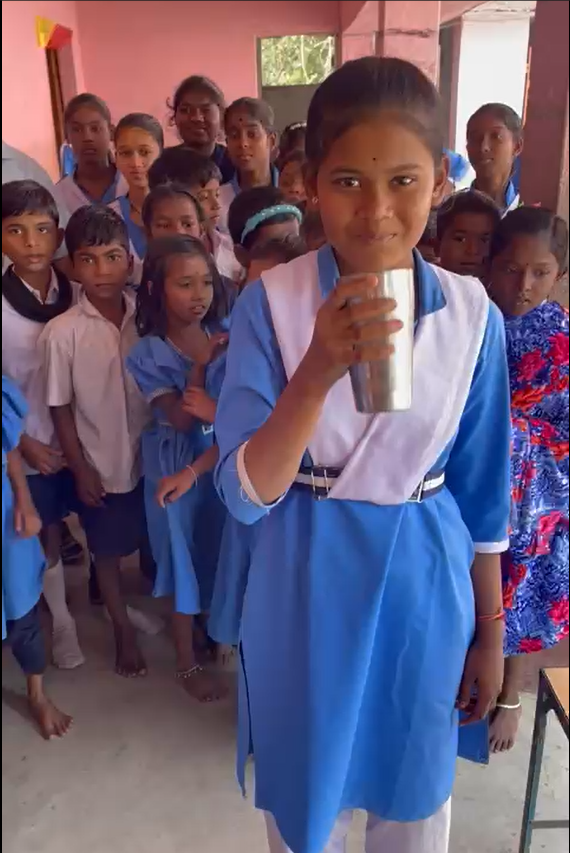
According to coverage in The Kalinga Chronicle (Metro City section, Bhubaneswar; dated 06 February 2026), and other local media highlighted the inauguration as the first initiative of its kind in the district, dedicated to enabling safe drinking water access for children at the school.
Inauguration and stakeholders on the ground
The project was inaugurated by Govinda Chandra Das, Deputy Chief Whip of the Government of Odisha. The initiative is delivered through a multi-stakeholder collaboration involving:
- Shakuntala Hospital and the Rheumatology Hospital & Research Institute, Balasore, India
- The Indo-Swedish Rheumatology Foundation (Sweden)
- HVR Water Purification AB (Sweden) (technology provider)
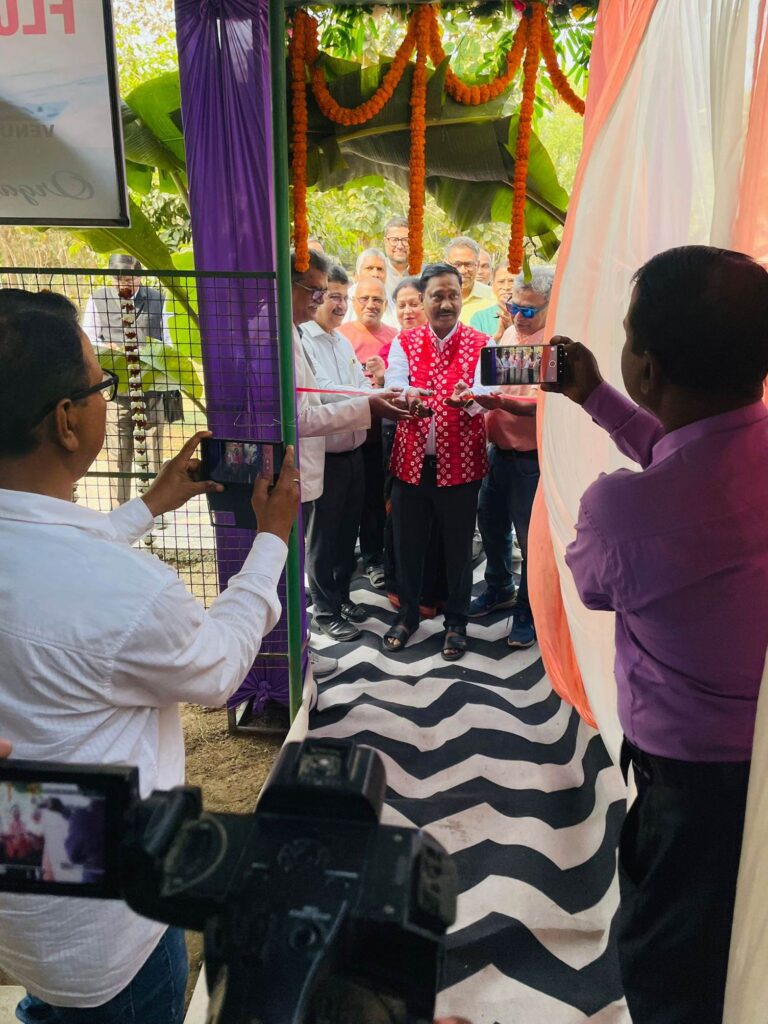
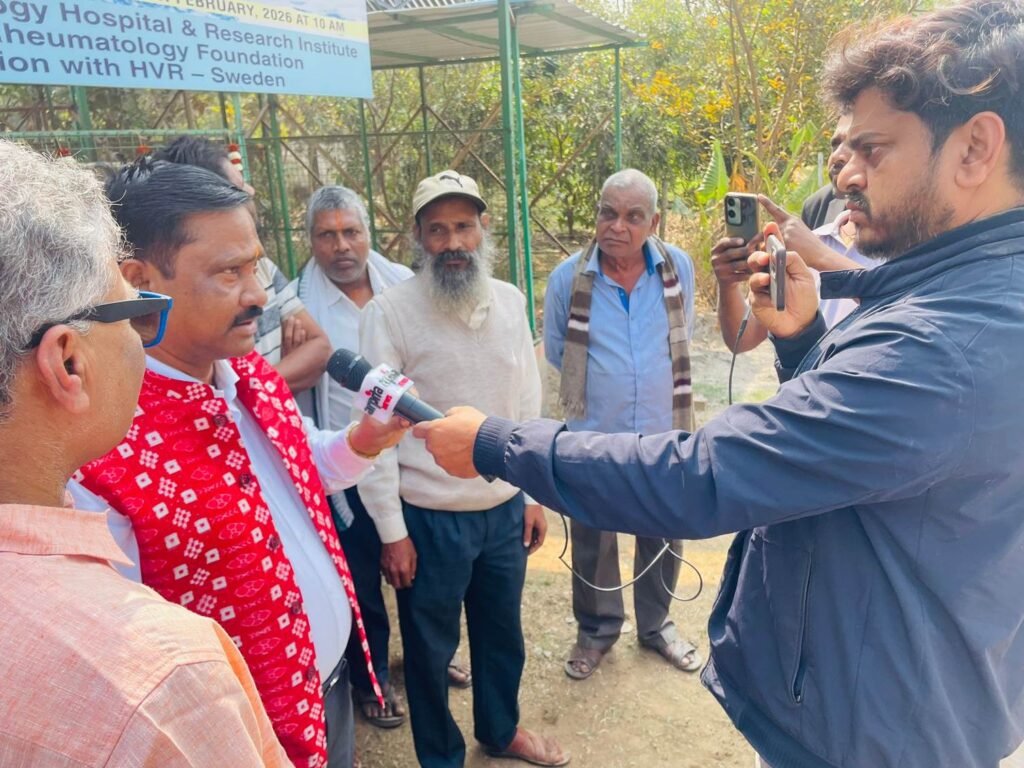
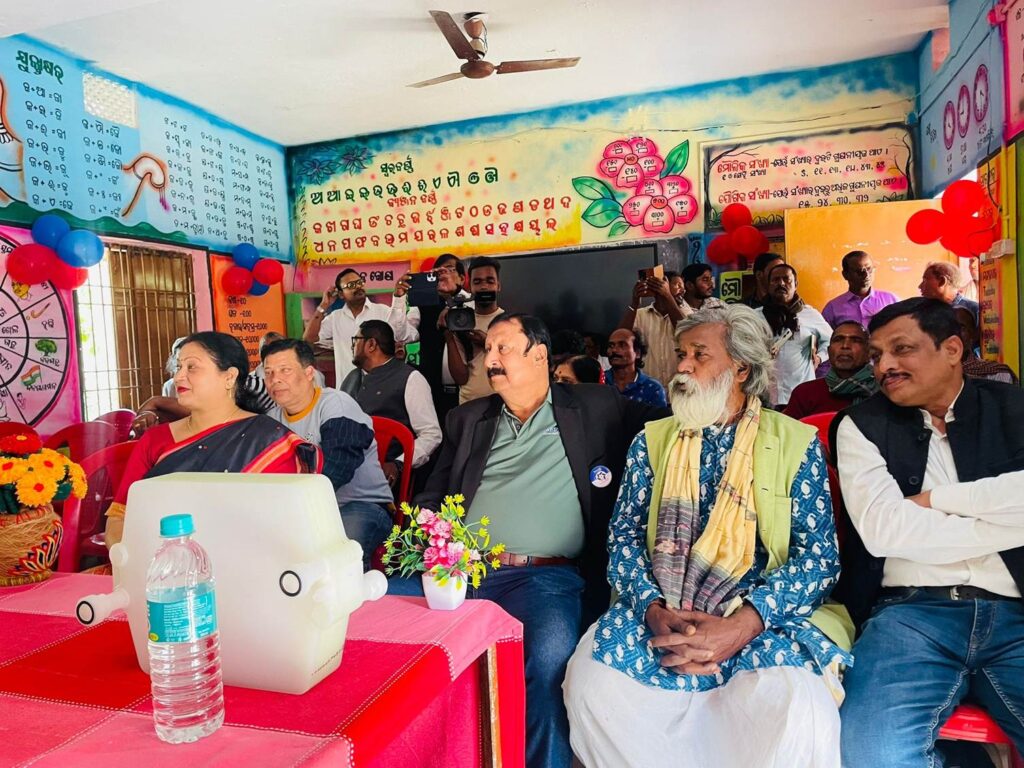
The inauguration convened local leadership and partner organizations, emphasizing the public-health risks associated with fluoride-contaminated water and the importance of prevention-driven solutions. The Kalinga Chronicle also referenced participation from local panchayat leadership, community representatives, and supporting organizations including Rotary Club of Balasore, NOCCI- The North Orissa Chamber of Commerce & Industry, and stakeholders linked to the local electricity distribution ecosystem.
HVR was represented on site by Ershad Ullah Khan, together with the broader implementation team and our local consultants—reflecting the partnership-led delivery model behind this reference installation.
From pilot learning to an operating model that scales
This installation is not a one-off project—it has been running as a pilot since 2019, specifically to validate energy configurations that are realistic for rural, climate-exposed settings, and to convert field learning into an execution playbook that can be replicated.
Over the pilot period, the system progressed through a structured energy transition:
- Diesel generator phase (baseline reliability): Technically effective, but constrained by fuel logistics at the site.
- Fully solar, self-standing phase: Electricity for pumps and control systems was delivered via PV, and heat energy via thermal collectors, targeting independence from local infrastructure.
- Resilience upgrade (current configuration): To address solar intermittency and PV sensitivity to extreme weather (including cyclone conditions), the unit has now been upgraded to a three-phase grid connection integrated with thermal collectors—with heat supplied partly by the thermal collectors and partly via controlled electric heating from the grid.
This upgraded configuration is designed to unlock consistent, high-quality water output with stronger operational continuity—critical for schools and other community services where reliability is non-negotiable.
What this enables next
With the Odisha reference site now operating under a more resilient energy architecture, HVR is positioned to leverage this project as a repeatable deployment template—combining proven technology performance with practical, field-validated implementation design.
Going forward, HVR will continue to expand collaborations with:
- schools and healthcare-linked NGOs,
- local governments, hotels, and small communities,
- utilities and infrastructure stakeholders,
to replicate similar systems in other fluoride- and arsenic-affected regions globally using the Odisha site as a validated benchmark for delivery, reliability, and measurable impact.